Team Syren.
Scaling Peaks, Defeating Odds.
Join our mission to raise funds for urgent DLGNT research.
Click the button below to follow along and learn more about the team and their training to take on the Everest in the Alps challenge.
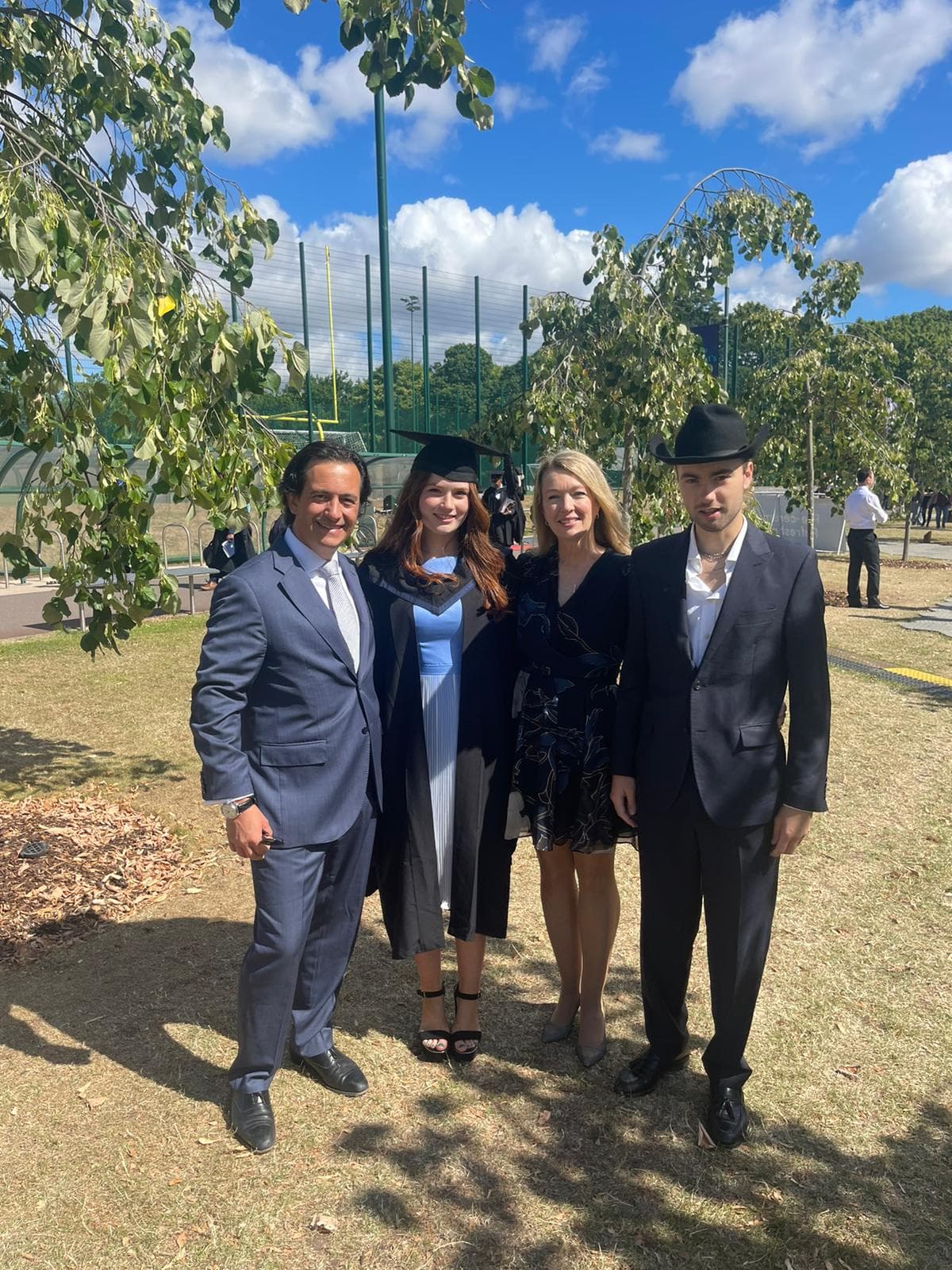
Alex’s Journey — A cancer Diagnosis at 20 Years Old
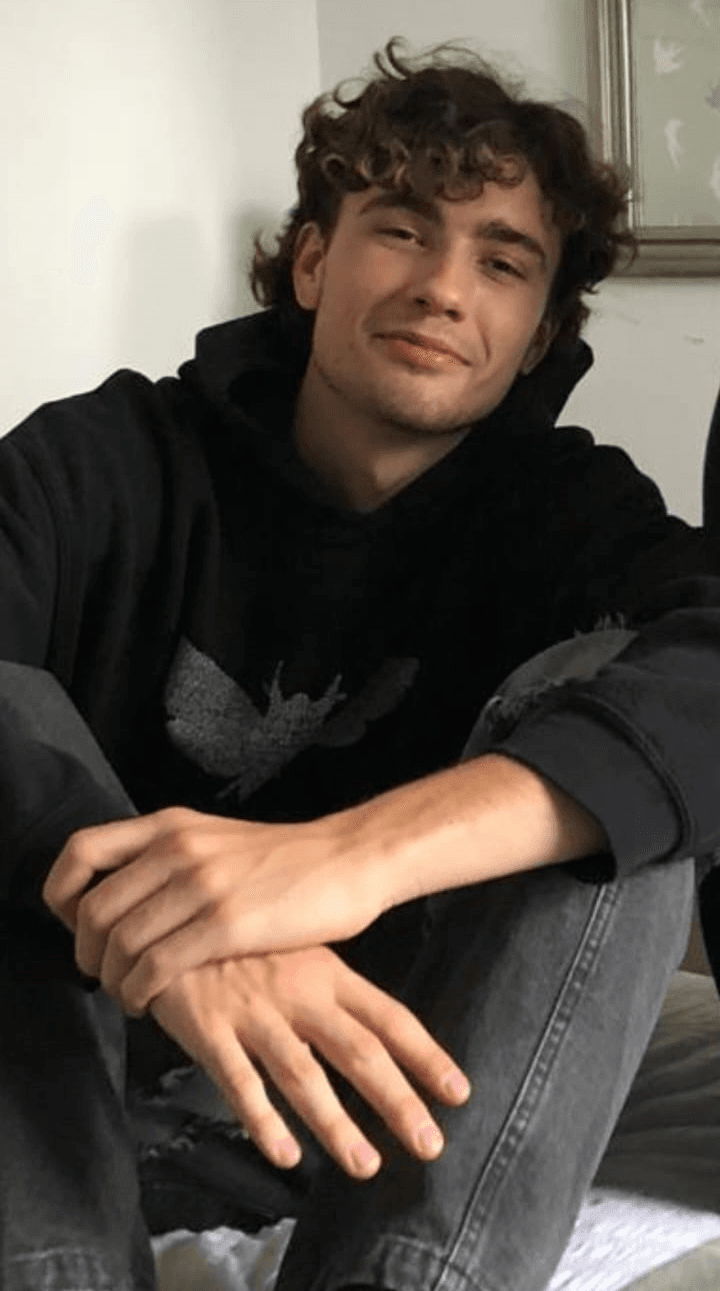
In October 2021, Alexander Bernard-Bell was diagnosed with brain cancer at the age of 20. For the previous year he had been suffering from relentless migraines and papilledema (swelling of the optic nerve) which eventually led to the loss of sight in his right eye. He had a brain biopsy which revealed nothing and an operation to implant a shunt to control the pressure in his brain. It was only as a result of a third operation on his lower spine, that he was finally diagnosed with a type of paediatric low-grade glioma cancer called Diffuse Leptomeningeal Glioneuronal Tumours (DLGNT BRAF-KIAA1549 MC2).
Promising Treatment.
Alexander’s diagnosis was so rare that at the time there were only 100 cases in medical history, so his parents, Katie and Martin, embarked on a global quest for answers, reaching out to oncologists, neuro-oncologists, and researchers worldwide. However, before treatment could begin, they faced a significant hurdle – a lack of sufficient tissue for necessary genomic analysis. A month later, as the cancer spread rapidly, Alex underwent another brain biopsy which gave a clearer understanding of the genetic mutation driving the cancer. With expert consensus from institutions like Toronto Sick Kids, Heidelberg in Germany, Memorial Sloane Kettering in New York and Great Ormond Street Hospital in London, a targeted drug called Trametinib (MEK inhibitor) was identified, and treatment started in early December 2021.
Alex experienced notable improvements on Trametinib, with tumour regression in the brain and spine. However, by the summer of 2022 he started to have clonic tonic seizures which were very debilitating and required yet more medication to keep them under control.
The Search for Innovative Therapies.
Signs of tumor progression became evident on MRI scans in early 2023. With no other targeted treatment available in the UK, the family tried to access a new drug called Tovorafenib through a clinical trial in Spain. Despite their best efforts, regulatory hurdles in Barcelona meant that Alex was not eligible for the clinical trial and he had to return to the UK in June 2023 with no idea of how to access the drug. After an unwavering eight-week campaign, the family managed to secure compassionate use of Tovorafenib (RAF inhibitor) for Alex in the UK, resulting in significant tumor reduction within six weeks.
A Cruel Twist of Fate.
Less than a year later however, the MRI scans once again showed signs of tumour progression and Alex started to have Status Epilepticus (back to back seizures that will not stop without medical intervention). With no other treatment available plans were made for radiation therapy at UCLH. However, on 6 August 2024, the week before Proton Bean Therapy was due to start, Alex collapsed with his third attack of Status Epilepticus and was admitted to Charing Cross Hospital in London. Little did they know that he would never return home.
Whilst in hospital and in a cruel twist of fate, Alex contracted Herpes Simplex Virus Encephalitis and had to have an emergency craniectomy to save his life. The damage to Alex’s brain from the HSV was so severe that radiation and all chemotherapy was ruled out and the only treatment that the family were eventually able to get him was Ulixertinib (ERK inhibitor) brought into UK on a special licence from USA for compassionate use.
This drug did not work and Alex died on 30 January 2025 aged 23 after 178 days in ICU.
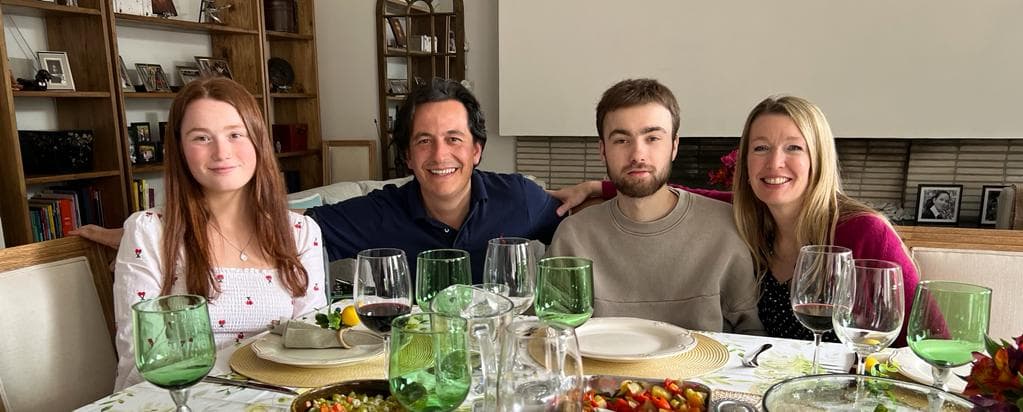
Remembering Alex
Alex passed away in January this year. Katie shares his story with warmth and humour, reflecting the spirit he brought to life.
“When Alex died, I chose a funeral parlour called ‘Exit Here’ – it was modern, bright, and playful, exactly like him. He would have found it hilarious,” Katie recalls.
Even in grief, Katie and Martin remain steadfast in their commitment to the cause. Alex’s journey continues to inspire their fundraising, their drive to unite researchers globally, and their determination to spread that impact further..
“Everything we do, every step on the mountain, is for Alex – to honour him, his bravery, and the hope that other families won’t have to face the same struggle.”
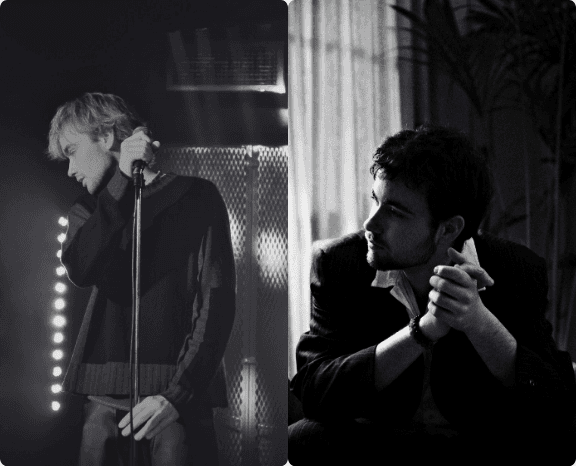
Martin and Katie’s Journey with Everest in the Alps
It was during a quiet moment at home in Andorra that everything changed.
“Alex came and jumped into the middle of the bed, as he always did, no matter how old he was,” says Katie. “I was scrolling, researching, trying to find out about the next trial. It involved the Everest Centre, and suddenly I saw the link to The Brain Tumour Charity. Then I found the story of Rob Ritchie and Everest in the Alps. It was like an Eureka moment – I said to Martin, ‘Listen to this – look at this incredible challenge, look at how much they’ve raised.’”
Katie realised something important: the Everest Centre itself had been created thanks to the funds Rob had raised through Everest in the Alps, and every pound raised through the event goes directly to The Brain Tumour Charity to support the Centre’s pioneering research. They saw it as the perfect vehicle to channel their own fundraising.
At that point, Katie and Martin had already built a fast-growing online community for families affected by DLGNT, sharing research papers and experiences. They knew the scientists, they had the network – the missing piece was funding. “We thought, right, the next step is to start raising money ourselves to support these researchers,” Katie says. “So I said to Martin, ‘This is something you can do.’ He always says he was ‘voluntold’.”
Martin’s initial reaction was disbelief.
“He said, ‘You have got to be kidding me – that would kill me!’ And Alex just looked at him and said, ‘You expect me to fight this cancer and you can’t be bothered to climb a mountain?’ That was it. Martin just said, ‘Right. I’m doing it.’”
The Ripple Effect: Building a Global Network for Brain Tumor Research
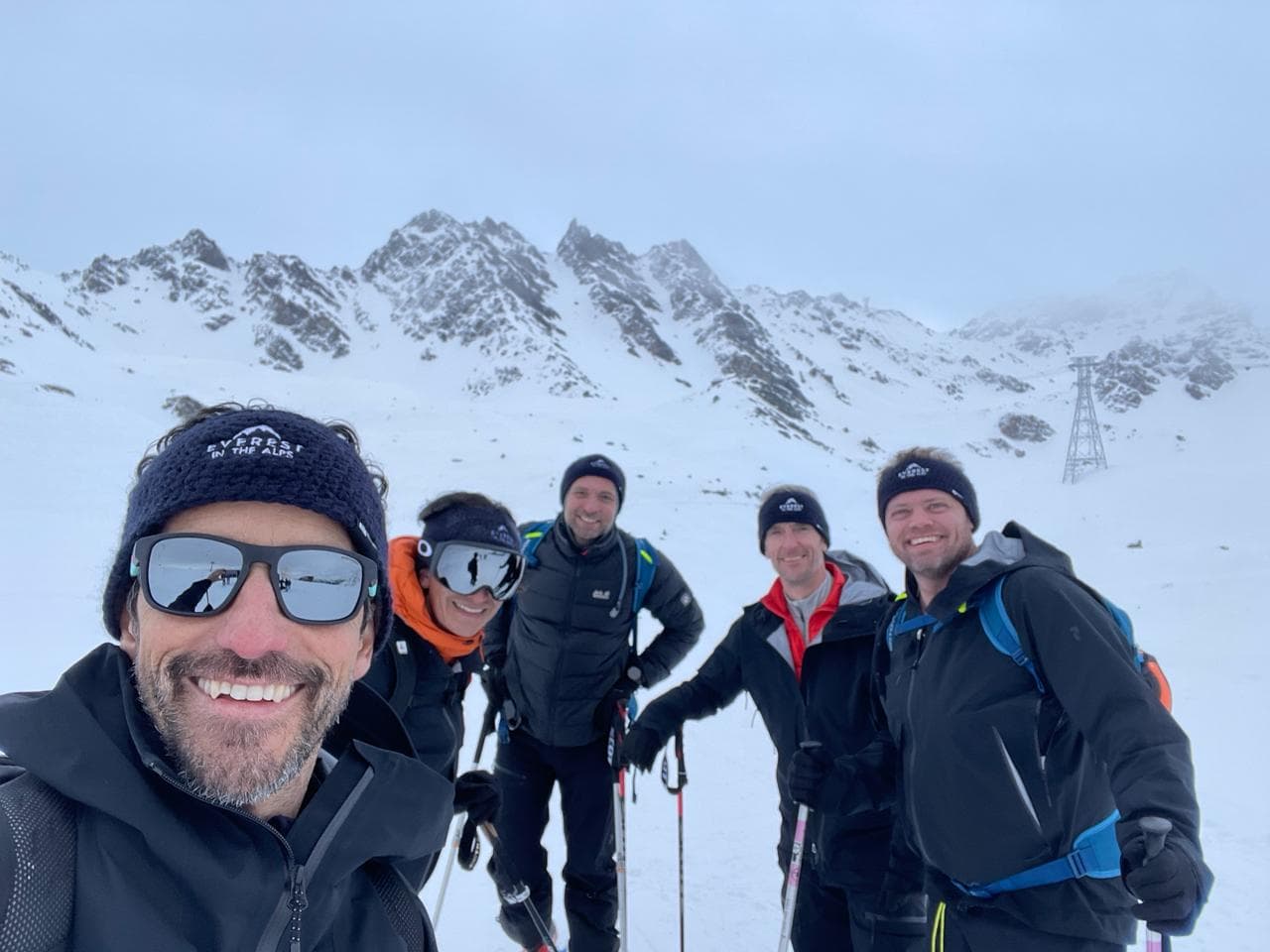
What began as a deeply personal mission has evolved into a truly international collaboration – linking scientists, charities, and institutions across continents in pursuit of faster progress for children and young adults with brain tumours. For Katie and Martin, Everest in the Alps became more than a challenge: it was a catalyst for connection. “The challenge, it’s brutal,” Katie says. “But Martin had an incredible team – well-travelled, well-connected people. We wanted to build on that momentum. So we came up with the campaign line ‘Training Never Stops’ and started filming the team wherever they were training in the world – Baku, Tashkent, Rio de Janeiro. It became this running theme, a bit of fun that built awareness before the challenge even began.”
Mapping the Experts.
Katie’s impact story begins long before Everest in the Alps, rooted in her early research as a mother determined to understand her son’s diagnosis.
“When I started reading medical papers, I began to see where the expertise was concentrated,” she says. “There were these incredible pockets around the world – London, Heidelberg, Sydney, Toronto, Boston – all working in children’s hospitals because Alex’s tumour type is seen as paediatric. I reached out to them. I emailed professors whose papers I’d read, and they replied. They gave their views, and I could take that knowledge back to Alex’s oncologist in London. It changed everything.”
Katie and Martin’s persistence reshaped Alex’s treatment – away from radiation, which carries long-term risks, and towards targeted therapies that cross the blood-brain barrier more safely.
“That shift probably gave Alex an extra three years of life,” Katie says quietly. “It showed us the power of connection – of sharing information globally.”
Creating an International Collaboration.
That same collaborative instinct now drives their work to unite research funding and expertise across the UK, US, and Canada.
Through contacts in Martin’s professional network, the couple connected with Day One Biopharmaceuticals, the US company behind a promising drug Alex received through compassionate use. From there, they were introduced to the Pediatric Brain Tumor Foundation (PBTF) and Amy Weinstein. “Amy was amazing – a real force of nature,” says Katie. “She told us, ‘You’ve got Alex stable. Now you need to share what you’ve learned and start raising money.’ That was a turning point.”
From those conversations came a network of linked charitable pathways:
1. The Brain Tumour Charity in the UK, funding the Everest Centre
2. PBTF in the US, already supporting related research at Dana-Farber and working with the Everest Centre
3. Kindred Foundation in Canada, which uniquely channels every dollar raised directly to research, thanks to independent funding for its administrative costs.
“It sounds complex,” Katie says, “but it’s actually really practical. Donors in each country need to give locally for tax reasons – so we found a way for all the money to flow to the same goal. Every penny still goes to research into low-grade gliomas and DLGNT – it just travels different routes to get there.”
From Joined-Up Thinking to Joint Research.
Working together, PBTF and Kindred pooled their funds to create a larger grant pot for a new project at Toronto SickKids.
“That collaboration took the total to around $650,000, and we were even shortlisted for a top-up from Canada’s national cancer fund,” says Katie. “We didn’t quite make the top three – we came fourth – but it was still a huge achievement for a community-driven initiative.”
Rather than step back, Katie and Martin saw another opportunity. They convened a joint meeting that brought together researchers from Toronto's SickKids, Dana-Farber, and The Everest Centre in Germany, with David Jones and other leading scientists from around the world on the same call.
“We looked at the Zoom screen and couldn’t quite believe it,” Katie laughs. “The top global experts on low-grade gliomas, all talking together – not the charities, not us, but them. They were animated, exchanging ideas, planning next steps. It was extraordinary.”
The goal: to ensure their projects complement each other, filling gaps rather than duplicating work, and to explore new shared initiatives – such as organoid modelling at the Everest Centre alongside parallel work at Dana-Farber.
“It’s now a true international collaboration,” Katie says. “The researchers are leading it. We just helped make the introductions.”
“To see that level of cooperation – six, eight world-leading researchers all working towards the same goal – it’s quite something. It’s exactly what we hoped Everest in the Alps would help to achieve.”
Martin’s 2024 Challenge: Preparing for the Ultimate Ascent
The Hardest Start
When Martin Bell signed up for Everest in the Alps 2024, he knew it would be tough. What he didn’t expect was how profoundly it would change him.
“It was life-changing,” says Martin. “Completely. I had to rethink everything – my nutrition, my fitness, my attitude to endurance. I went from fat to fit. I lost twenty kilos training for it – and most of that has stayed off. It was transformative.”
That transformation was hard-earned. Day one of the challenge – climbing over 2,000 vertical metres on skis in the thin Alpine air – hit Martin hard.
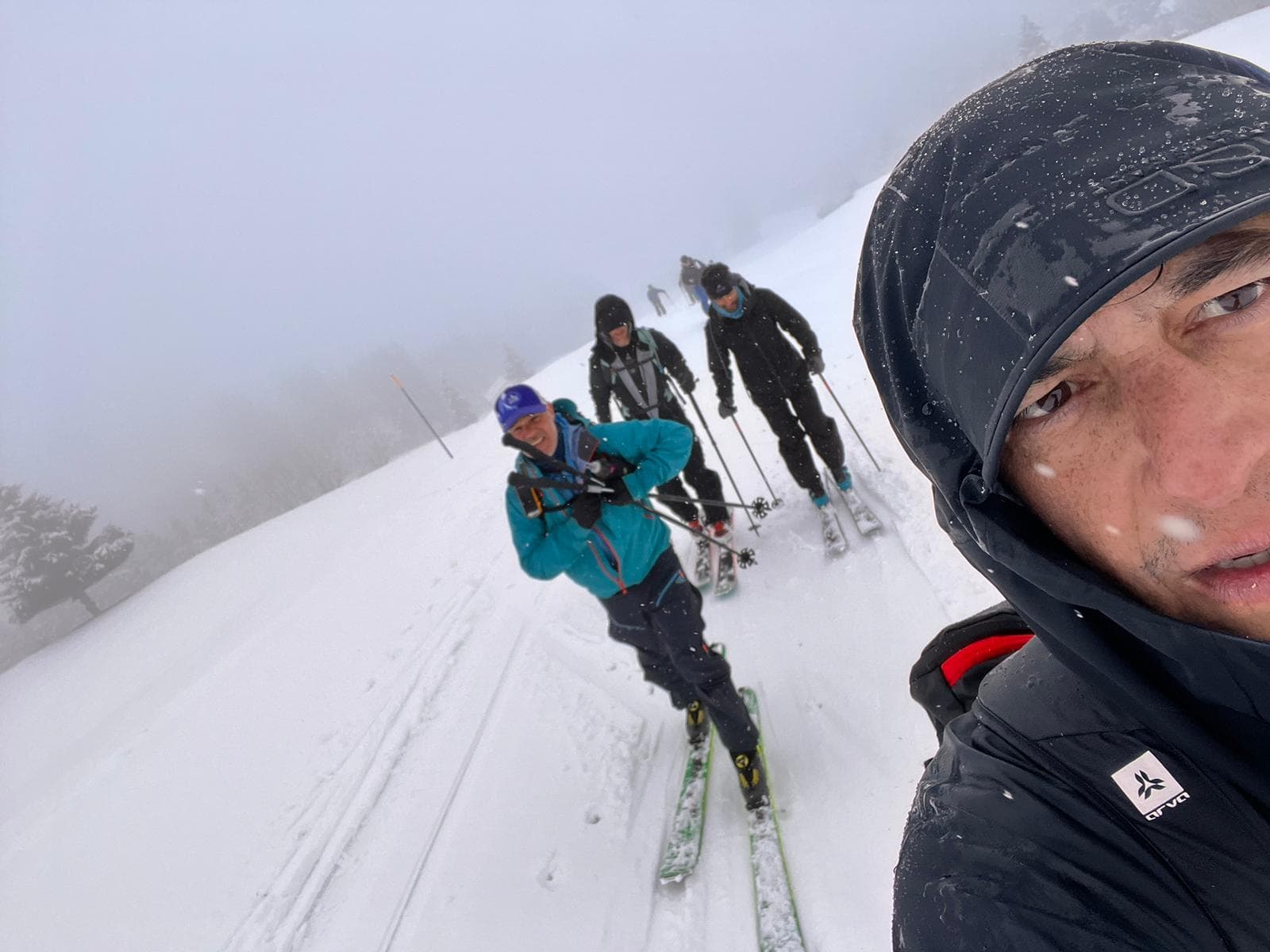
Endurance, Blisters and Laughter
By the second day, sheer determination had taken over. But the physical strain was relentless.
“The pain in your feet is unreal,” says Martin. “We all had blisters. At one stage my feet were just raw – bleeding through my socks. And these weren’t cheap boots. They were top-end, moulded to my feet. But it doesn’t matter – after that many hours of climbing, the friction gets you.”
Still, what carried the team through wasn’t just endurance – it was camaraderie.
“We laughed the whole way,” he says. “Honestly, we don’t know if it was the altitude or the lack of oxygen, but I’ve never laughed so much in four days. The smells in the room, the exhaustion – it was ridiculous, but everyone was in it together. That’s what got us through.”
The Final Push
“You know you’ve got just one last climb, and you’re counting every metre on your watch,” says Martin. “When we finally crossed the line, it was jubilation. I remember crying – thinking about Alex, about everything we’d done, and how far we’d come. It was overwhelming.”
The achievement was more than physical. It symbolised years of perseverance, and the power of a community rallying for research that can change lives.
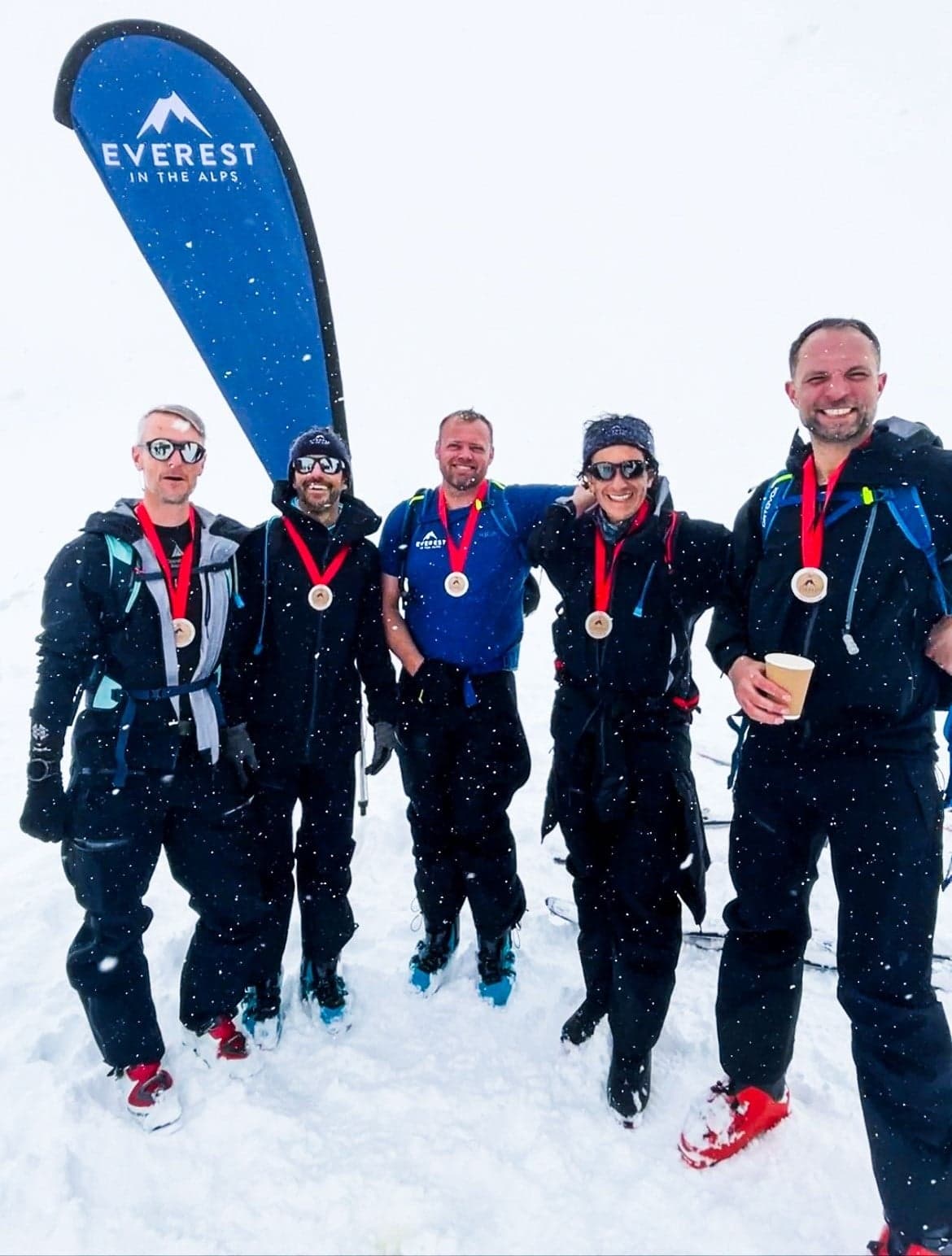
A Team Effort – On and Off the Mountain
While Martin tackled the mountain, Katie led the campaign from the ground – keeping supporters updated and securing national coverage.
Looking Ahead: The Climb Continues
Everest in the Alps 2026 is calling.
For Katie and Martin, Everest in the Alps didn’t end on the mountain. It was the beginning of something much bigger. “We’ve seen what’s possible when a small group of people commit to a single goal,” says Katie. “The research that Everest in the Alps funds is changing how doctors understand and treat these tumours. We can’t stop now.” That’s why, in 2026, they’re joining us again. – building a new team to take on the challenge in February.